CHOLERA
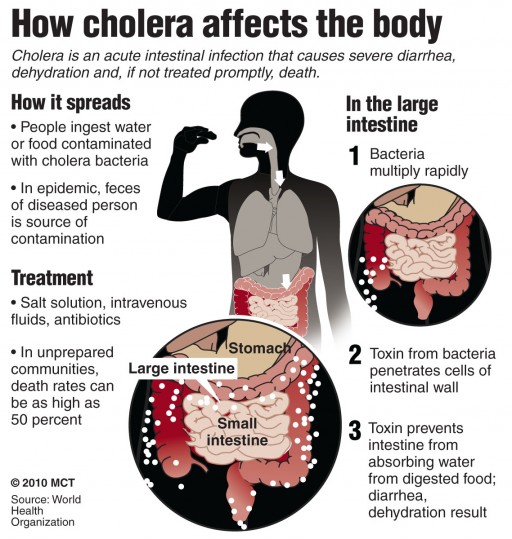
Cholera is a disease that most of us have come across at some point, if not in real life, then probably in movies or literature. Cholera has shaped our collective consciousness as a population, because of the huge impact it has had on human history. Cholera pandemics in the early 19th century are estimated to have claimed up to tens of millions of lives.
Cholera is an infectious disease caused by a comma-shaped bacterium – Vibrio Cholerae. This bacterium causes acute diarrhea and an intestinal infection through the ingestion of contaminated food or water. Cholera is derived from the Greek word Khole meaning ‘flow of bile.’ In Latin, the word Cholera means ‘bilious diarrhea.’Cholera is most common in children below five years but is not limited to this age group only. In endemic areas, cholera can affect all age groups and can even lead to death. The Vibrio cholerae bacterium enters the digestive and intestinal system through food and water. Within five days of eating or drinking this contaminated food or water, the person will develop painless but copious watery diarrhea. In some cases, the diarrhea is so severe that it cause acute dehydration and requires immediate hospitalization and medical attention.
Symptoms of Cholera
Within one to five days of ingesting the cholera bacterium, a person will develop symptoms that range from mild to severe. Cholera is a potentially life threatening disease and requires awareness and early recognition of the symptoms so as to avoid complications and fatalities.Symptoms for Cholera include:
- Watery diarrhea with a ‘fishy’ smell
- Stomach cramps
- Dry mouth and skin
- Dry mucous membranes
- Loss of skin elasticity
- Excessive thirst
- Dehydration<
- Low urine output
- Leg cramps and muscle cramps
- Heart palpitations
- Nausea and vomiting
- Low blood pressure
- Exhaustion and weakness
- Sunken eyes
- Irritability and restlessness
Cholera is diagnosed through a stool sample or a rectal swab. The bacterium that causes cholera is identified in the sample and treatment begins immediately.
Causes of Cholera
The bacterium Vibreo Cholerae causes cholera. This bacterium is transmitted via food or drink. Reports show that raw seafood such as oysters are particularly susceptible to contamination. Poor hygiene and undercooked food also results in contamination. Some people may be more prone to cholera if they have a deficiency or absence of hydrochloric acid in their bodies. Natural disasters such as floods and earthquakes can also lead to cholera epidemics. This happens because clean drinking water and food becomes scarce in the aftermath of such disasters. Waste disposal is also affected and poor hygiene increases the chances of cholera bacteria spreading more easily.Remedies for Cholera
A cure for cholera generally entails antibiotics though many doctors do feel that antibiotics should be reserved for only more serious cases. Medication such as tetracycline, doxycycline, furazolidone, erythromycin, or ciprofloxacin (Cipro, Cipro XR, Proquin XR) are all used to treat cholera. Experts believe that the first step in treating cholera should include re-hydration. Oral rehydration therapy (ORT) consists of water mixed with a blend of sugar and salts to replace lost electrolytes. This mix can be blended at home or bought commercially. In severe cases, cholera may require intravenous fluid replacement. Anti-diarrheal medication should not be used in cases of cholera as they prevent the removal of bacteria and toxins from the body.Home remedies for cholera typically help provide relief from the symptoms, but are unlikely to help cure the condition. Because of the serious nature of a cholera infection, medical attention is absolutely necessary, and home treatments should only be reserved as a backup or a complimentary treatment. Here are some home treatments that are quite popular:
- The use of lemon for example is very popular in reducing the levels of cholera bacilli in the intestines and digestive system. Lemon juice drunk either sweet or salted can help.
- A decoction of the root bark of the guava tree and boiled water should be drunk twice daily to reduce cholera symptoms such as nausea and vomiting.
- Onions and fresh black pepper ground together is another easy home remedy for cholera to treat restlessness and thirst.
- Mix equal quantities of coconut water and cucumber juice to relieve excessive thirst and prevent dehydration.
- Steep half a nutmeg in half a liter of water and make an infusion. Add to this infusion half a liter of coconut water. Administer this 15ml at a time to lessen cholera symptoms.
- Rough chaff also known as Achyranthes aspera should be mixed with half cup of water and given to the cholera patient daily.
Cholera can be controlled through proper hygiene and disposal of waste matter. Clean drinking water is also imperative to prevent a cholera epidemic from occurring. If in any doubt about the cleanliness of the water, always boil before drinking. Wash food stuffs such as vegetables and fruits in a solution of potassium permanganate before eating or cooking as well.
If left untreated, cholera can become very severe very quickly and can lead to death in a matter of days. In countries where clean water and food are at a premium, cholera epidemics still have the power to incite fear due to its highly contagious nature.
Diet for Cholera
Re-hydration is the first step towards recovery from cholera. A diet for cholera patients should involve replacing lost fluids and reducing excessive thirst. Patients should drink lots of water, soda, and coconut water throughout the day. Keep in mind that too much liquid can cause vomiting, so only small amounts should be drunk at a time. Patients can even be given cubes of ice to suck on.AS the patient’s recovery progresses, with a move from watery diarrhea to a semi solid stool stage, buttermilk can be added to the diet. As he/she recovers, semi-soft boiled rice can be introduced as well. Make sure that solid foods and uncooked vegetables are avoided completely until there is a complete recovery. The diet after recovery from cholera should include a glass of warm water with lime and honey as soon as the patient gets up. Breakfast can consist of fresh fruits and milk. Play around with variations of steamed vegetables or salads for lunch and dinner. Proteins and carbs can come in the form of cottage cheese and whole wheat tortillas. Fresh fruit juices can be had as mid morning and evening snacks.
Suggestion for Cholera
Cholera can be prevented. Developing countries have managed to control and end cholera epidemics by offering clean drinking water and food and improving levels of hygiene by providing easy access to clean toilets and hand washing facilities.People can prevent developing cholera by maintaining a high level of hygiene, washing hands frequently, drinking clean treated water, and eating clean fresh food. There are now also vaccines available against cholera. However the effectiveness of vaccines is hotly debated, and with increased public awareness and concerns over the unethical practices of some pharmaceutical manufacturers, vaccines for cholera may not always be the best option. Unbiased reports are also not in agreement on the effectiveness of cholera vaccines, with some studies reporting a 90% success rate while others place the rate around 50%. Cholera vaccines are administered orally and offer protection for a maximum of two years. In case people are traveling to countries with a high risk of cholera, taking such vaccines are highly recommended. If traveling to a place where cholera is rife, just remember the CDC motto – “Boil it, cook it, peel it, or forget it”. Water should be drunk only from sealed bottles or purified with iodine or chlorine. Food should be had cooked and heated. Avoid ice, unclean fruits, raw foods, salads, and ice cream when traveling in high cholera areas.


 Garlic
is an herb that has been used for centuries due to its healing
properties. The Egyptians and Chinese used this herb extensively in the
treatment of conditions associated with inflammation and infections.
Research studies have now proven the effectiveness of this herb in
reducing inflammation and infection, as it possesses the
anti-inflammatory, anti-bacterial and antioxidant properties. Due to
these medicinal properties, garlic may prove to be effective in reducing
the pain and inflammation associated with appendicitis. You can consume
garlic in its raw state or in the form of supplements to treat the
problem of appendicitis.
Garlic
is an herb that has been used for centuries due to its healing
properties. The Egyptians and Chinese used this herb extensively in the
treatment of conditions associated with inflammation and infections.
Research studies have now proven the effectiveness of this herb in
reducing inflammation and infection, as it possesses the
anti-inflammatory, anti-bacterial and antioxidant properties. Due to
these medicinal properties, garlic may prove to be effective in reducing
the pain and inflammation associated with appendicitis. You can consume
garlic in its raw state or in the form of supplements to treat the
problem of appendicitis.
 The
The  Peppermint
is considered an effective home remedy for a host of health ailments.
It is primarily used in the treatment of stomach as well as gall bladder
problems. MedlinePlus highly recommends the usage of this home remedy
in the treatment of stomach problems such as indigestion and nausea.
These symptoms are known to be very common in those who suffer from
appendicitis. To treat appendicitis, you can easily consume this herb in
the form of a tea. Peppermint tea is widely available in the form of
pre-packaged tea bags. If you are making use of the essential oil of
this herb, make sure to consult your doctor regarding the correct dosage
of this oil as high amounts can trigger side effects such as vomiting.
Peppermint
is considered an effective home remedy for a host of health ailments.
It is primarily used in the treatment of stomach as well as gall bladder
problems. MedlinePlus highly recommends the usage of this home remedy
in the treatment of stomach problems such as indigestion and nausea.
These symptoms are known to be very common in those who suffer from
appendicitis. To treat appendicitis, you can easily consume this herb in
the form of a tea. Peppermint tea is widely available in the form of
pre-packaged tea bags. If you are making use of the essential oil of
this herb, make sure to consult your doctor regarding the correct dosage
of this oil as high amounts can trigger side effects such as vomiting.
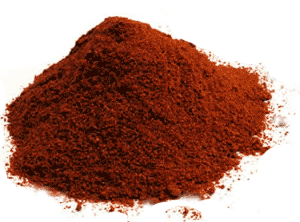 Cayenne
pepper is an herb that is used extensively in cooking food as it adds
good flavour. Capsaicin is the active ingredient present in cayenne
pepper that possesses medicinal purposes. The University of Maryland Medical Center
indicates that this herb might prove effective in reducing pain.
Therefore, consuming cayenne pepper may also help in reducing pain
associated with appendicitis. Trapped faeces, food as well as infection
might result in the inflammation of the appendix. Capsaicin, which is
the active ingredient in cayenne pepper, is known to exhibit
anti-inflammatory properties that help in reducing inflammation
associated with appendicitis.
Cayenne
pepper is an herb that is used extensively in cooking food as it adds
good flavour. Capsaicin is the active ingredient present in cayenne
pepper that possesses medicinal purposes. The University of Maryland Medical Center
indicates that this herb might prove effective in reducing pain.
Therefore, consuming cayenne pepper may also help in reducing pain
associated with appendicitis. Trapped faeces, food as well as infection
might result in the inflammation of the appendix. Capsaicin, which is
the active ingredient in cayenne pepper, is known to exhibit
anti-inflammatory properties that help in reducing inflammation
associated with appendicitis.

 Ginseng
is an herb that is considered effective in the treatment of symptoms of
pain and inflammation. This herb possesses anti-inflammatory properties
that help in reducing pain associated with appendicitis. Ginseng is
also beneficial in reducing
Ginseng
is an herb that is considered effective in the treatment of symptoms of
pain and inflammation. This herb possesses anti-inflammatory properties
that help in reducing pain associated with appendicitis. Ginseng is
also beneficial in reducing  Kava
kava is an herb that is considered beneficial in treating pain. This
herb has been used in the Pacific Islands in the form of a beverage as
it has proven to have a sedating effect on the body. Kavalactones, which
are the active ingredients present in this herb, are known to exhibit
anaesthetic and analgesic properties. Using this herb might prove
beneficial in the treatment of pain associated with appendicitis. It is
important that you consult your physician regarding the dosage of this
herb as high doses can result in side effects such as dizziness,
sedation and blurred vision.
Kava
kava is an herb that is considered beneficial in treating pain. This
herb has been used in the Pacific Islands in the form of a beverage as
it has proven to have a sedating effect on the body. Kavalactones, which
are the active ingredients present in this herb, are known to exhibit
anaesthetic and analgesic properties. Using this herb might prove
beneficial in the treatment of pain associated with appendicitis. It is
important that you consult your physician regarding the dosage of this
herb as high doses can result in side effects such as dizziness,
sedation and blurred vision.
 Cinnamon
is an herb that has been used extensively in cooking as well as for
medicinal purposes. This spice is known to possess antibacterial as well
as anti-inflammatory properties that make it effective in treatment of
pain and inflammation associated with appendicitis. You can also
purchase cinnamon powder and add it to foods such as cereal, oatmeal or
yogurt for added flavour as well as medicinal benefits.
Cinnamon
is an herb that has been used extensively in cooking as well as for
medicinal purposes. This spice is known to possess antibacterial as well
as anti-inflammatory properties that make it effective in treatment of
pain and inflammation associated with appendicitis. You can also
purchase cinnamon powder and add it to foods such as cereal, oatmeal or
yogurt for added flavour as well as medicinal benefits.
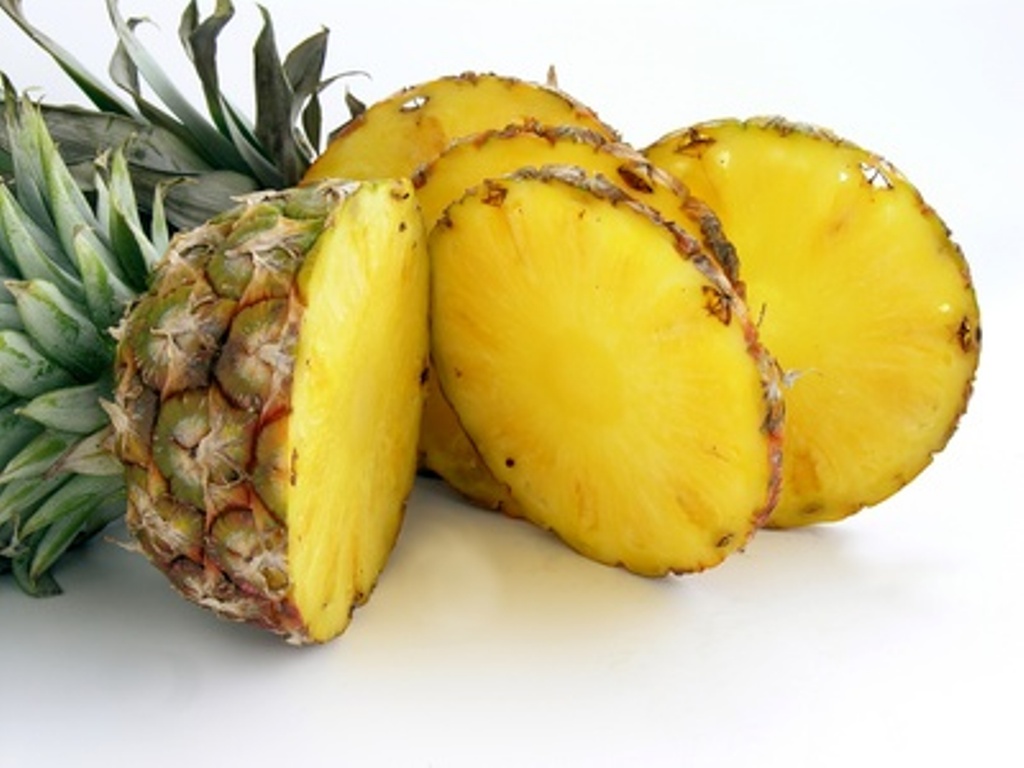 Pineapple
is considered an effective home remedy for dealing with indigestion
associated with appendicitis. This fruit is known to possess an enzyme
named bromelain that is considered effective in improving digestion as
well as reducing pain associated with rheumatoid arthritis. This
conclusion was made as a result of a research study that was conducted
and published in the journal named
Pineapple
is considered an effective home remedy for dealing with indigestion
associated with appendicitis. This fruit is known to possess an enzyme
named bromelain that is considered effective in improving digestion as
well as reducing pain associated with rheumatoid arthritis. This
conclusion was made as a result of a research study that was conducted
and published in the journal named 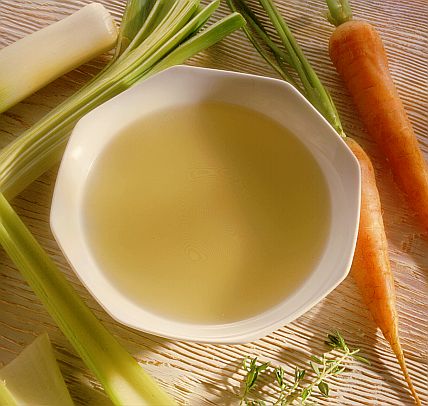 Chicken
broth is considered an effective home remedy that has a soothing effect
on the digestive system for those who suffer from appendicitis. Always
keep your broth low in fat, as excess amounts of saturated fats can
lead to the problem of indigestion.
Chicken
broth is considered an effective home remedy that has a soothing effect
on the digestive system for those who suffer from appendicitis. Always
keep your broth low in fat, as excess amounts of saturated fats can
lead to the problem of indigestion.

 Generally, nearly all fruits, except jack fruit and banana, are
considered to be beneficial in constipation. All the fruits are rich in
fiber and clean and tone the intestines, especially bale. Regular intake
of bael fruit for 2 - 3 months can treat even most chronic
constipation. Prefer taking bael in original form before dinner. Around
50 - 60 grams per serving is considered sufficient for an adult.
Generally, nearly all fruits, except jack fruit and banana, are
considered to be beneficial in constipation. All the fruits are rich in
fiber and clean and tone the intestines, especially bale. Regular intake
of bael fruit for 2 - 3 months can treat even most chronic
constipation. Prefer taking bael in original form before dinner. Around
50 - 60 grams per serving is considered sufficient for an adult. Pears can be very beneficial in
 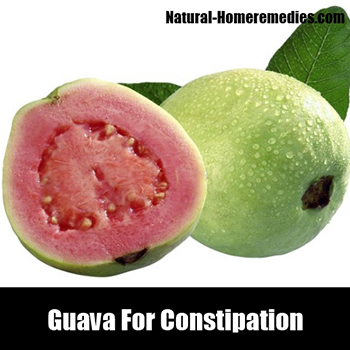 It
is another great remedy to treat constipation. Guava is rich in fiber
and provides roughage to the diet. It helps in normal evacuation of the
bowels. Generally, one to two guavas taken per day can help with
constipation.
It
is another great remedy to treat constipation. Guava is rich in fiber
and provides roughage to the diet. It helps in normal evacuation of the
bowels. Generally, one to two guavas taken per day can help with
constipation. Grapes
can overcome constipation pretty effectively. The combination of the
properties of the cellulose, sugar, and organic acid in grapes make them
a great laxative. Grapes also tone up the stomach and intestines and
relieve the most chronic constipation. One can consume up to 350 gm of
grapes daily to achieve desired results. Alternatively, in absence of
grapes, raisins can be soaked for twenty-four to forty-eight hours and
eaten early in the morning, along with the water in which they have been
soaked.
Grapes
can overcome constipation pretty effectively. The combination of the
properties of the cellulose, sugar, and organic acid in grapes make them
a great laxative. Grapes also tone up the stomach and intestines and
relieve the most chronic constipation. One can consume up to 350 gm of
grapes daily to achieve desired results. Alternatively, in absence of
grapes, raisins can be soaked for twenty-four to forty-eight hours and
eaten early in the morning, along with the water in which they have been
soaked. Oranges are also beneficial in treatment of constipation.
One to two oranges at bedtime and again in morning can help stimulate
the bowels. The general stimulating influence of orange juice excites
peristaltic activity and helps prevent the accumulation of food residue
in the colon.
Oranges are also beneficial in treatment of constipation.
One to two oranges at bedtime and again in morning can help stimulate
the bowels. The general stimulating influence of orange juice excites
peristaltic activity and helps prevent the accumulation of food residue
in the colon. Other
fruits specific for constipation are papaya and figs. Half a
medium-sized papaya should be eaten as breakfast. Fresh and dry figs
also have a laxative effect. Have four to five dry overnight-soaked figs
in the morning.
Other
fruits specific for constipation are papaya and figs. Half a
medium-sized papaya should be eaten as breakfast. Fresh and dry figs
also have a laxative effect. Have four to five dry overnight-soaked figs
in the morning. Spinach is considered a
  Squeeze half a lime in a glass of hot water and add half a teaspoon of salt into it. It is an effective
  Water
kept overnight in a copper vessel when had first thing in the morning
gives great results. When taken regularly, it can treat constipation.
Water
kept overnight in a copper vessel when had first thing in the morning
gives great results. When taken regularly, it can treat constipation.  It
is extremely useful in difficult cases of constipation. Swallow a
teaspoon of linseed with water before each meal. It provides both
roughage and lubrication.
It
is extremely useful in difficult cases of constipation. Swallow a
teaspoon of linseed with water before each meal. It provides both
roughage and lubrication.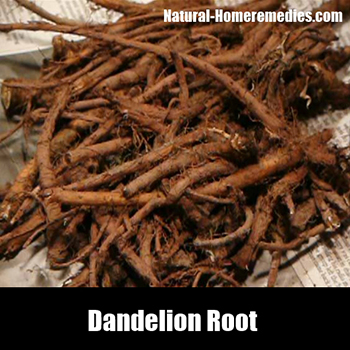 Bile
acids help to soften the stool and move it more quickly through the
colon. Dandelion root stimulates the production of bile and can help
relieve constipation in a natural way. Just boil 2 tablespoons of fresh
dandelion root to have it as tea. Alternatively, you can have its
extract (250-500 mg) with meal.
Bile
acids help to soften the stool and move it more quickly through the
colon. Dandelion root stimulates the production of bile and can help
relieve constipation in a natural way. Just boil 2 tablespoons of fresh
dandelion root to have it as tea. Alternatively, you can have its
extract (250-500 mg) with meal. Apples
contain insoluble and soluble fiber. The first helps with bowel
movements and the second forms a gel in the intestines, protecting the
walls from bad cholesterol, (LDL), sticking to it as the waste moves
through.
Apples
contain insoluble and soluble fiber. The first helps with bowel
movements and the second forms a gel in the intestines, protecting the
walls from bad cholesterol, (LDL), sticking to it as the waste moves
through. Berries
have insoluble fiber which draws water to the bowels, not only making
it softer, but heavier which allows it to move more quickly through the
system. Berries also help prevent bowel acids from turning rancid
leading to a cancerous form.
Berries
have insoluble fiber which draws water to the bowels, not only making
it softer, but heavier which allows it to move more quickly through the
system. Berries also help prevent bowel acids from turning rancid
leading to a cancerous form. These are great for constipation. Rich in fiber, brown rice draw large
amounts of water, making the stool heavier and softer, allowing it to
move quickly through the body.
These are great for constipation. Rich in fiber, brown rice draw large
amounts of water, making the stool heavier and softer, allowing it to
move quickly through the body. While one or two cups can stimulate the intestines, more than that can have the opposite effect.
 Sugar
in honey can stimulate bacteria in the intestines causing it to draw
water which will aid in relieving the constipation. Have honey mixed
with foods, salads, fruits or in warm milk.
Sugar
in honey can stimulate bacteria in the intestines causing it to draw
water which will aid in relieving the constipation. Have honey mixed
with foods, salads, fruits or in warm milk. A handful can give you 3-4 grams of fiber. Raisins also have a special acid that acts as a natural laxative.
 Prunes
and prune juice can help against constipation. Prunes contain a lot of
fibers and other natural chemicals that have a laxative effect. Eat them
raw or dried
Prunes
and prune juice can help against constipation. Prunes contain a lot of
fibers and other natural chemicals that have a laxative effect. Eat them
raw or dried Dates
are rich in fiber and are very suitable as a constipation treatment.
Eat them with a glass of milk and it will relieve you from constipation.
Dates
are rich in fiber and are very suitable as a constipation treatment.
Eat them with a glass of milk and it will relieve you from constipation. A
fiber-rich fruit salad eaten on a regular basis can keep constipation
at bay. You can use papaya, guava, apple and some other fruits to make
it highly effective.
A
fiber-rich fruit salad eaten on a regular basis can keep constipation
at bay. You can use papaya, guava, apple and some other fruits to make
it highly effective.


